
Pest Control Strategies
Pest Control Strategies
Keeping Your Garden Healthy: Effective Pest Control Strategies
Welcome to our guide on maintaining a healthy garden and implementing efficient pest control strategies. A thriving garden not only enhances the beauty of your outdoor space but also provides a sanctuary for beneficial insects and wildlife. By following these tips, you can ensure that your plants stay healthy and vibrant while keeping pests at bay.
1. Plant Diverse Crops
Diverse plantings help create a balanced ecosystem in your garden, making it less susceptible to pest outbreaks. Avoid monocultures and instead mix different types of plants to confuse pests and reduce the likelihood of infestations.
2. Encourage Beneficial Insects
Attract natural predators like ladybugs, lacewings, and parasitic wasps to control pest populations. Plant nectar-rich flowers, such as marigolds and alyssum, to provide food sources for these beneficial insects.
3. Practice Crop Rotation
Rotate your crops each season to prevent the buildup of pests in the soil. Different plants have different nutrient needs, so rotating them helps maintain soil health and reduce pest pressure.
4. Use Organic Pest Control Methods
Avoid harsh chemicals and opt for organic pest control methods such as neem oil, insecticidal soap, and diatomaceous earth. These methods are effective against pests while being safe for beneficial insects and the environment.
5. Handpick Pests
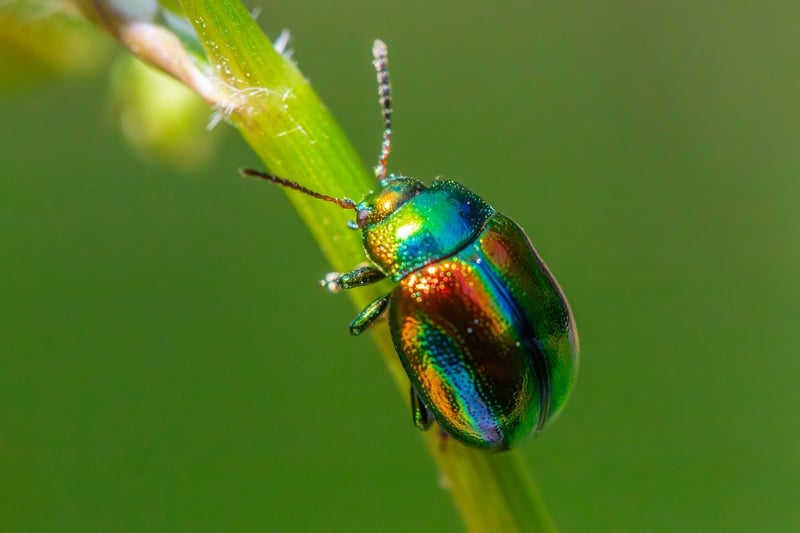
Regularly inspect your plants for pests and remove them by hand. This method works well for larger pests like caterpillars and beetles and is an environmentally friendly approach to pest control.
6. Mulch Beds
Applying a layer of mulch around your plants helps retain moisture, suppress weeds, and create a barrier against crawling pests. Use organic mulches like straw or wood chips for added benefits.
7. Monitor Your Garden
Keep a close eye on your garden for any signs of pest damage or disease. Early detection allows for prompt intervention, preventing minor issues from escalating into major problems.
8. Companion Planting
Utilize companion planting techniques to naturally repel pests. For example, planting garlic near roses can deter aphids, while marigolds can help protect tomatoes from nematodes.
Conclusion
By incorporating these pest control strategies into your gardening routine, you can maintain a healthy and thriving garden without resorting to harmful chemicals. Remember that a balanced ecosystem is the key to long-term pest management and plant vitality.
Happy gardening!